
What Is a Skin Tightening Treatment, and Does It Work?
 Written byMD Esthetics Editorial Team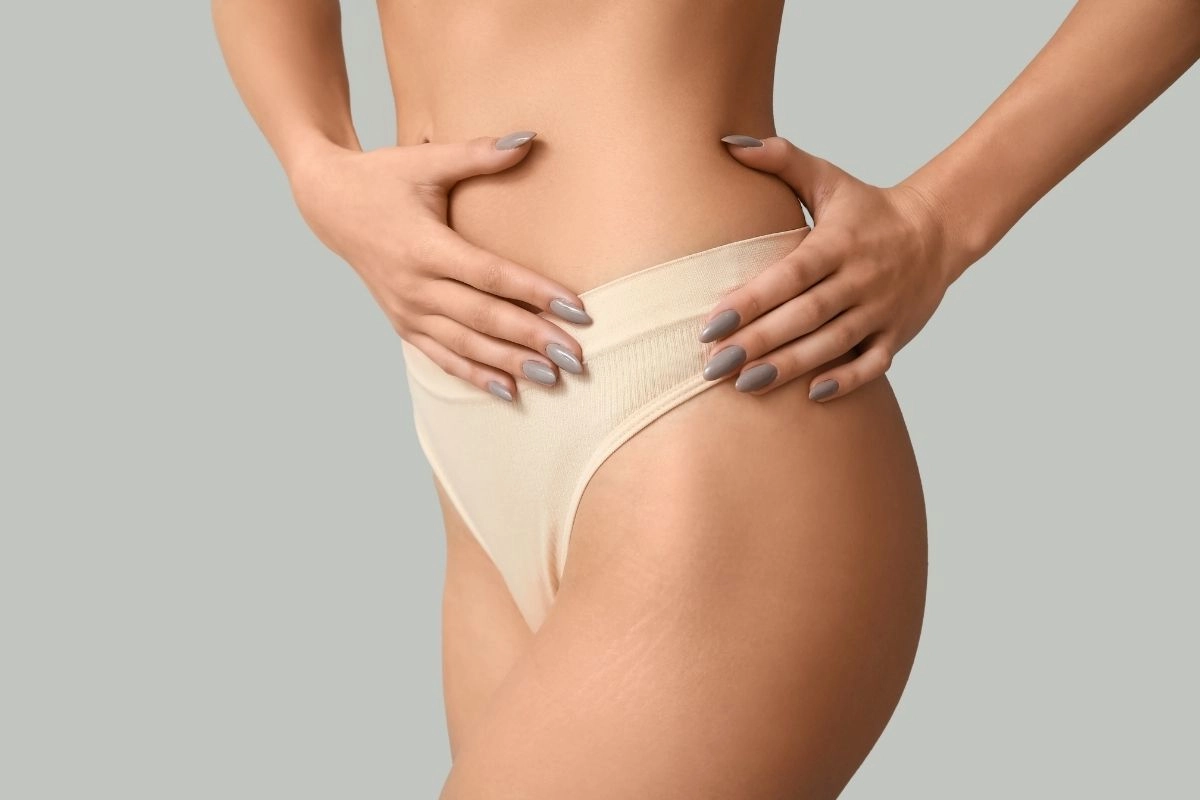
The accurate answer sits in between and depends almost entirely on how much laxity you actually have. Someone noticing early softening along the jawline is a genuinely good candidate for non-surgical treatment. Someone with significant hanging skin after major weight loss is not, and no device will change that.
So the question worth answering is not whether skin tightening works, but which version of it fits your skin, what change is realistic, and when a device is simply the wrong tool for what you are looking at. This covers all three.
Summary
A skin tightening treatment is any non-surgical procedure that firms lax skin by prompting the body to build new collagen, usually with controlled heat or energy delivered into the dermis. Results build gradually over several months, so a single session rarely finishes the job. It can improve firmness and the crispness of a jawline in mild to moderate laxity, but it cannot remove excess skin, which is the point at which surgery becomes the honest answer.
What Is a Skin Tightening Treatment?
The immediate contraction is small. The meaningful change comes from the repair response, which is why nearly every treatment in this category is described as gradual and why a single session rarely finishes the job. We are not filling or cutting anything. We set off a biological process and then wait for your own tissue to do the work.
That mechanism sets the ceiling on what is possible. A treatment that stimulates collagen can improve firmness, texture, and the crispness of a jawline. It cannot remove a fold of excess skin, because there is nothing in the process that eliminates surface area. Understanding that boundary before you book is the difference between being pleased with a modest, real improvement and feeling misled by one.
That is why we grade laxity by hand before we recommend anything. The same technology produces a very different result on skin whose underlying quality is still good than on skin that has genuinely run out of elasticity, and the only way to tell those apart is to examine them.
Why Skin Loses Firmness in the First Place
Sun exposure accelerates all of it. According to the American Academy of Dermatology, ultraviolet radiation is the largest preventable contributor to premature skin aging, and it damages collagen directly. This matters practically rather than as a lecture: someone with substantial photoaging often responds differently to treatment than someone of the same age with a history of sun protection.
Other drivers are worth naming because they change the plan. Rapid weight loss leaves skin that was stretched over a larger volume, and how much of that retracts depends heavily on age and baseline elasticity. Pregnancy does the same to abdominal skin. Smoking impairs collagen synthesis and microcirculation. Genetics set the starting point you are working from.
None of this is fixable by a single treatment, which is the point. The question is how much of your laxity is collagen quality, which responds to stimulation, and how much is true skin excess, which does not.
The Main Types of Skin Tightening Treatments
Radiofrequency and focused ultrasound
Focused ultrasound reaches the same biology from another angle. Instead of heating the dermis broadly, it deposits energy at set depths beneath the surface, including the deeper support layer, and leaves the skin above it intact. Ultherapy is the ultrasound based version we use, and because it ignores pigment entirely it is a comfortable choice across skin tones. It is also the treatment we reach for most often when the complaint is a softening jawline or neck rather than surface texture.
Laser resurfacing and injectable stimulators
Is There a Best Skin Tightening Treatment?
A useful way to think about it: energy-based treatments are chosen by depth. Surface radiofrequency addresses the upper dermis. Radiofrequency microneedling reaches deeper. Focused ultrasound is set deeper still. Ablative laser works aggressively at the surface and takes real recovery time. If your laxity is superficial and your skin quality is otherwise good, the deepest, most aggressive option is not the best one, it is just the most disruptive.
On the specific question of the best laser for tightening, laser is genuinely strong when laxity comes with sun damage, uneven tone, or fine lines, because it addresses all of them at once. When laxity is the only complaint, an approach built on radiofrequency or ultrasound often achieves comparable firming with less downtime. Skin tone also factors in, since some laser wavelengths carry more pigmentary risk in deeper skin tones than energy that ignores pigment does.
This is exactly the assessment a consultation exists to make, and we make it in a set order. First we grade how deep the laxity sits, which decides whether a surface treatment or a deeper focused one is the right depth. Then we account for your skin tone, which decides whether an energy that ignores pigment is the safer carrier. Then we ask how much downtime your life can actually absorb, which decides how much we do in one visit and how many visits we plan. Only after those three answers do we name a modality, and we tell you what we expect it to change before you book it.
Skin Tightening Treatments for the Face vs the Stomach
For the face and neck, the realistic targets are the jawline, the area under the chin, the cheeks, and crepey texture around the eyes and mouth. Patients with early to moderate softening usually see a meaningful difference. Those with heavier laxity along the jaw and neck often see improvement that is real but smaller than they hoped.
Skin tightening treatments for the stomach follow the same logic with a wider gap between expectation and outcome. Mild crepiness or slight looseness after modest weight change can respond. Skin left after pregnancy or major weight loss, especially where there is a genuine overhang, is usually a surgical problem rather than an energy-based one. Abdominal skin also frequently comes with separated muscle, which no skin treatment addresses at all.
Whether your body concern falls on the treatable side of that line is worth settling in person before you commit to a series, because the assessment is tactile. We need to feel how the tissue moves, not just look at it.
Results, Longevity, and When Surgery Is the Better Answer
Making the result last
The harder conversation is when the honest answer is surgery. If you have significant skin excess, a distinct fold that hangs, or laxity severe enough that pinching the skin reveals substantial slack, a non-surgical treatment will underdeliver no matter how many sessions you buy. We would rather tell you that at your consultation than book you into a series that cannot do what you are asking of it. Our overview of popular med spa treatments covers where non-surgical options genuinely fit within the wider category.
Aftercare across these treatments is straightforward and shares a pattern: expect redness and swelling for a day or several depending on the modality, avoid heat and strenuous exercise briefly, protect the area from sun rigorously while it heals, and hold off on active skincare until we clear you. Contact us rather than waiting if you see blistering, spreading redness, or pain that worsens after the first couple of days.
The Takeaway
What is a skin tightening treatment?
What is the best skin tightening treatment?
What is the best laser treatment for skin tightening?
How long do skin tightening treatments last?
Does skin tightening really work?
Can skin tighten naturally?
How many skin tightening sessions will I need?
Find Out If Skin Tightening Is Right for Your Skin
Book a consultation for an honest read on what a device can and cannot do for your skin.
New to MD Esthetics? Book A Consultation!
Written by
Our editorial team turns the questions patients ask in consultation into plain-language guides, then checks every claim against manufacturer labeling and current clinical practice.
This article is general education, not medical advice. Treatment plans, candidacy and results are individual: always speak with a licensed provider about your own care. Published September 11, 2026.
Keep reading
Stretch Mark Treatment: What Laser Can and Cannot Do
Stretch mark treatment is almost always advertised with the word removal. It is the wrong word, and starting from it guarantees disappointment. Stretch marks...
Laser Skin Treatments in Acton MA — Everything You Need to Know
If you have been searching for professional laser skin treatments in Acton, MA, you are in the right place. At MD Esthetics, our medical...
Acne Scar Laser Treatment: What Works, by Scar Type
A large share of people booking acne scar laser treatment do not have scars. They have flat red or brown marks left behind after...