
Botox on Cape Cod: What to Know Before Your First Treatment
 Written byMD Esthetics Editorial Team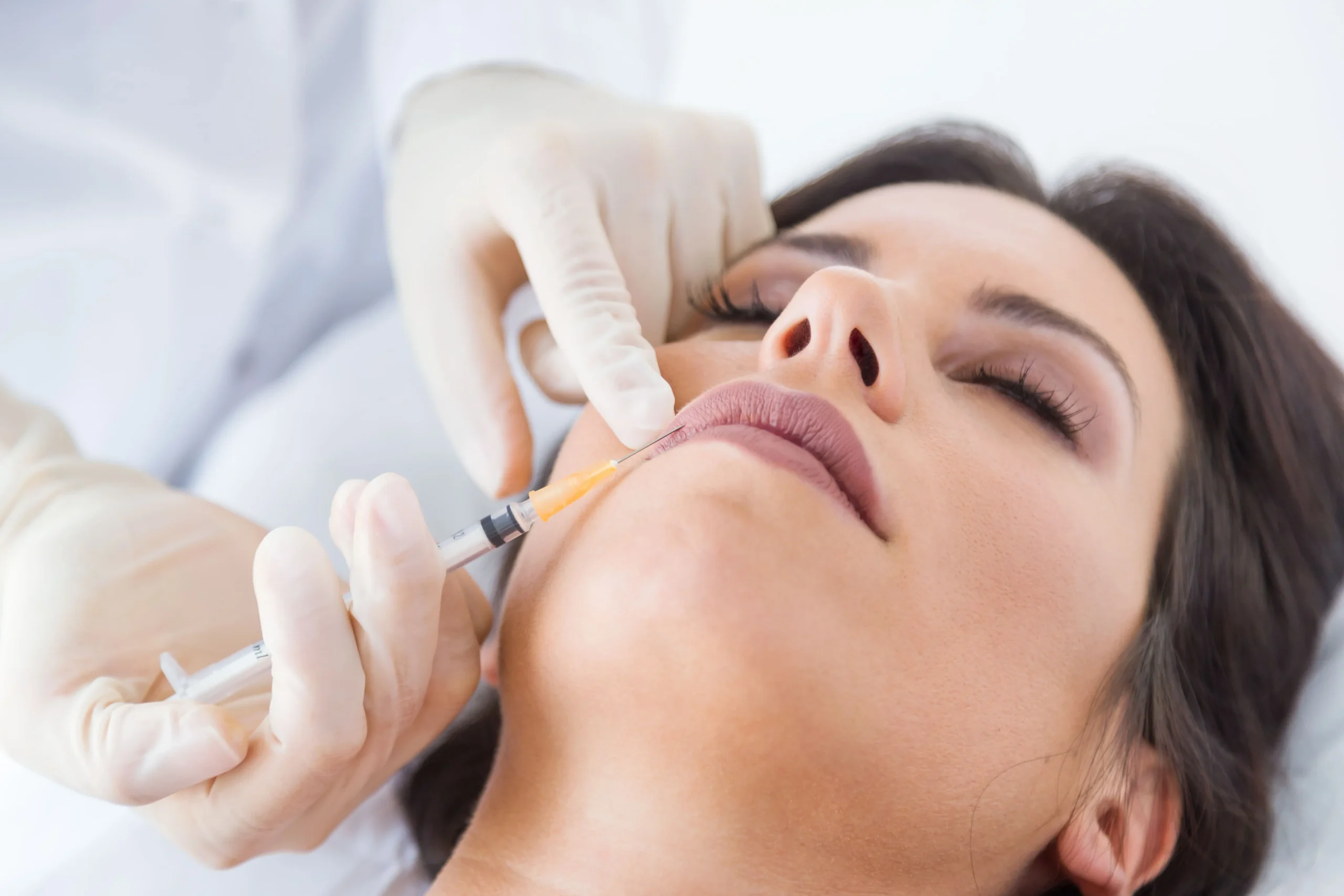
If you are researching Botox on Cape Cod, you probably want straight answers before booking: what it does, what the appointment feels like, and how long results last. This guide covers the essentials so you can walk into a consultation already informed.
Botox is one of the most studied cosmetic injectables available, and the right outcome depends less on the product than on the provider assessing your facial movement. Below, we break down how it works, the areas it commonly treats, and how to tell whether it fits your goals.
Summary
Botox is an injectable that temporarily relaxes the muscles that create lines such as frown lines, forehead creases, and crow's feet. On Cape Cod, treatment takes a few minutes, needs little downtime, and results typically last three to four months. A consultation confirms whether you are a good candidate.
What Botox Is and How It Works
Botox is a purified form of botulinum toxin type A that temporarily reduces muscle activity in the area where it is injected. When a muscle relaxes, the skin above it creases less, which softens the dynamic lines that form with repeated expressions like frowning or squinting.
It is important to understand that Botox addresses lines caused by movement, not lines caused by volume loss. According to the FDA, botulinum toxin type A is approved for the temporary improvement of moderate to severe frown lines, forehead lines, and crow’s feet in adults. Static lines that remain when your face is at rest may respond better to other options, which is why a provider evaluates your skin in motion and at rest. You can review the full overview on the MD Esthetics Botox page.
What Botox Commonly Treats
Botox most often treats the upper face: the vertical frown lines between the brows, horizontal forehead lines, and the fine lines that fan out from the corners of the eyes. Providers also use it for a subtle brow lift, a softened chin, and a lip flip, depending on your anatomy and goals.
Because every face moves differently, mapping matters. A provider studies how your muscles pull before deciding where and how much product to place, aiming for natural movement rather than a frozen look. If you are weighing Botox against fillers, the two often work together: Botox calms movement, while dermal fillers restore volume. Some patients also compare neurotoxin brands, which we cover in our guide on Botox versus Dysport.
A lip flip is a good example of how small, targeted dosing changes the result: a few units relax the muscle along the upper lip so it rolls outward slightly, creating a subtle change without adding volume. Your provider will explain which areas are realistic for your anatomy and which call for a different approach.
What to Expect During a Cape Cod Botox Appointment
A typical Botox appointment is short. After a brief assessment of your facial movement, the provider cleanses the area and uses a fine needle to place small amounts of product in the targeted muscles. Most people describe the sensation as a quick pinch, and the visit usually wraps up within fifteen to thirty minutes.
There is little downtime, and many patients return to their day afterward. You may notice small bumps or minor redness that settle quickly. Following simple guidance, such as staying upright and avoiding heavy exercise for the rest of the day, supports a smooth recovery. Our Botox aftercare tips walk through the first 24 hours in detail.
If you are nervous about discomfort, let your provider know. The needles are very fine and treatment is brief, but small steps like a calm, unhurried appointment make the experience easier. Most patients are surprised by how quick and routine the visit feels once it begins.
Botox Results: Onset, Duration, and Maintenance
Botox does not work instantly. Most patients begin to see softening within three to five days, with the fuller effect visible around two weeks. Results are temporary and commonly last three to four months, after which muscle movement gradually returns and a maintenance treatment can be scheduled.
Longevity varies from person to person and depends on factors like the area treated, your metabolism, and how expressive the muscles are. Many patients find that consistent, well-spaced treatments help maintain a smoother appearance over time. Your provider can suggest a maintenance rhythm that matches your goals rather than a fixed calendar.
Some patients find that with regular treatment over time, the treated muscles become less active, which can influence how often they choose to come in. Others prefer to let results fully relax between visits. Your provider can help you decide based on how your face responds.
Is Botox Right for You? Candidacy and Safety
Botox may be a good fit for healthy adults who want to soften dynamic lines and have realistic expectations about temporary, natural-looking results. It is not recommended for people who are pregnant or breastfeeding, or who have certain neuromuscular conditions, which is why a medical assessment comes first.
Safety comes down to training and technique. A qualified provider reviews your health history, explains what is realistic for your face, and places product conservatively. If you are still deciding, our guide on whether Botox is right for you is a helpful next read before your visit to our Cape Cod location.
During a consultation, expect an honest conversation about expectations. A good provider will tell you when Botox is the right tool and when another option, or a combination, would serve your goals better. That candor is part of a safe, satisfying experience.
Does Botox hurt?
Most patients report only brief, mild discomfort. The needles used are very fine, and each injection takes a moment. Some areas feel a quick pinch. If you are sensitive, ask your provider about comfort measures during your consultation.
How long does Botox last?
Results commonly last about three to four months, though this varies by person and treatment area. As movement gradually returns, many patients schedule a maintenance appointment to keep their results consistent over time.
Will Botox make my face look frozen?
A natural result depends on conservative dosing and precise placement. An experienced provider aims to soften lines while preserving expression, mapping your muscle movement rather than over-treating the area.
When will I see results?
Most people notice softening within three to five days, with the fuller effect around two weeks. If you have an event coming up, plan your appointment a couple of weeks ahead so the result has time to settle.
Is there downtime after Botox?
Botox requires little downtime. You may see minor redness or small bumps that fade quickly. Following basic aftercare, like staying upright and skipping intense exercise that day, supports a smooth recovery.
How do I choose a provider on Cape Cod?
Look for a licensed, trained injector who assesses your facial movement, explains realistic outcomes, and doses conservatively. A consultation is the best way to gauge whether a provider listens to your goals and prioritizes a natural result.
Find Out If Botox Is Right for You
Curious whether Botox fits your goals? The team at MD Esthetics on Cape Cod will assess your facial movement, explain your options, and build a plan around natural-looking results.
Book a consultation at our Cape Cod location to get personalized answers from a qualified provider.
Call MD Esthetics Cape Cod at (508) 321-7865 or book your consultation.
Our Location
Cape Cod
1421 Orleans-Harwich Rd, Harwich, MA 02645
Nearby places:
Nearby cities:
New to MD Esthetics?
Book A Consultation!
Our medical esthetics experts are here to answer your questions and assist you in scheduling a consultation!
Written by
Our editorial team turns the questions patients ask in consultation into plain-language guides, then checks every claim against manufacturer labeling and current clinical practice.
This article is general education, not medical advice. Treatment plans, candidacy and results are individual: always speak with a licensed provider about your own care. Published February 4, 2026.
Keep reading
Botox in Norfolk, VA: Treatment Areas, Timing, and Results
If you are searching for Botox in Norfolk, you likely want practical details before booking: which areas it treats, how soon you will see...

What Is Kybella Treatment? How Chin Injections Dissolve Fat
The swelling is the part nobody warns you about. Kybella treatment does work, and it works lastingly on the fat cells it reaches, but...
What Is Sculptra Treatment? How It Works, Results Timeline, and Aftercare
Most people who look into Sculptra treatment are surprised by the same thing: almost nothing happens on day one. You leave the appointment looking...