
Microneedling vs Chemical Peel: Which One Fits Your Skin Concerns?
 Written byMD Esthetics Editorial Team
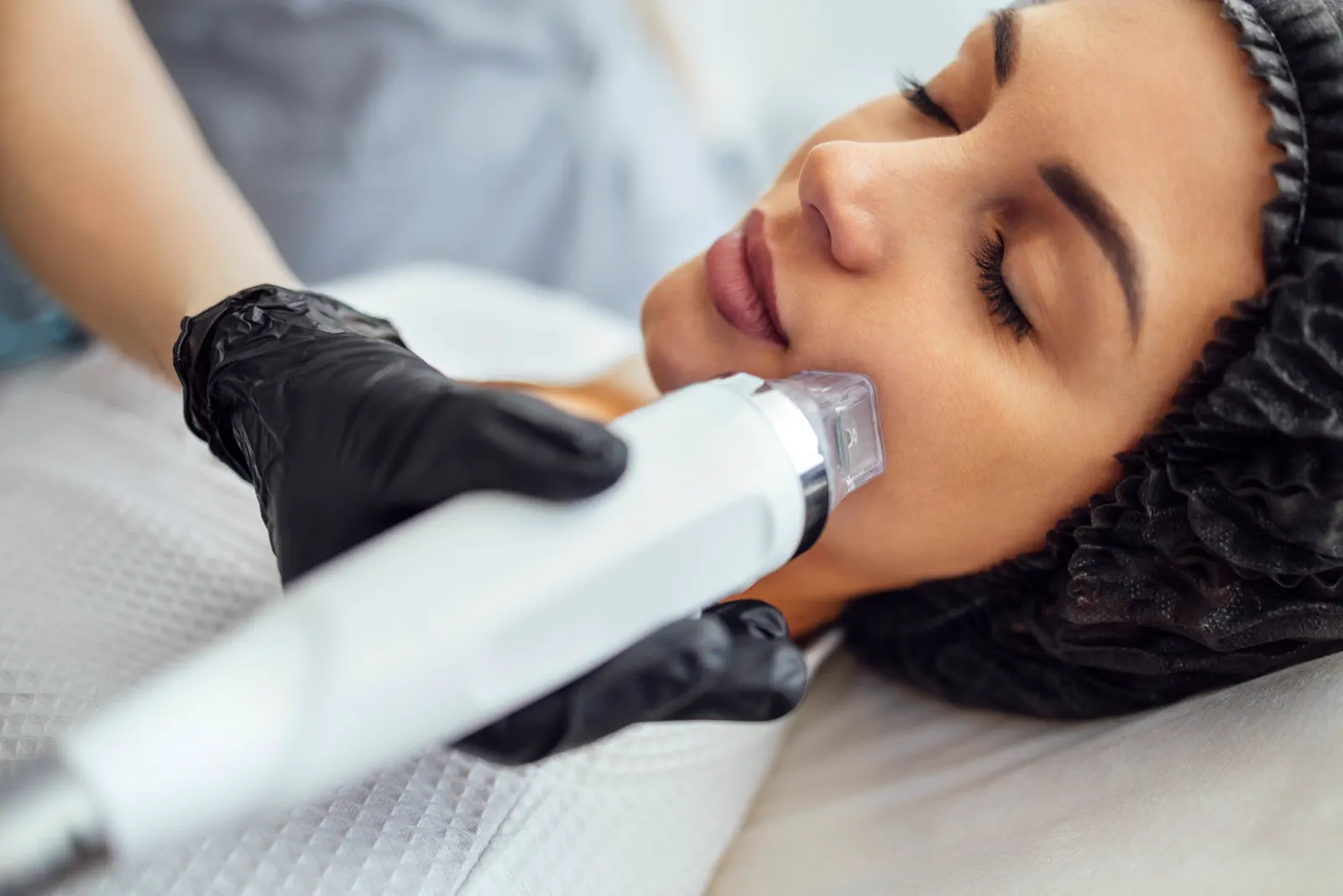
If you’re weighing microneedling vs chemical peel, you’re likely after the same thing most patients want: smoother, clearer, more even skin. Both treatments can get you closer, but they take different routes, and the right one depends on whether your main concern sits in your skin’s texture or on its surface.
This guide compares how each treatment works at MD Esthetics, which concerns it targets, what recovery looks like and how long results typically last, so you can weigh both options before booking a consultation.
Summary
Microneedling and chemical peels both improve skin quality, but they work differently. Microneedling stimulates collagen and elastin for gradual improvement in texture, firmness and acne scars. Chemical peels exfoliate to improve tone, clarity, breakouts and hyperpigmentation. Microneedling typically means 1 to 3 days of mild redness, while peel recovery runs from minimal for light peels to several days for deeper ones.
Microneedling vs Chemical Peel at a Glance
The core difference is direction. Microneedling works from within by stimulating collagen and elastin production, while a chemical peel exfoliates the skin from the surface. That shapes everything else, from the concerns each treats to how your skin looks in the days after.
| Microneedling | Chemical Peel | |
|---|---|---|
| How it works | Stimulates collagen and elastin production | Exfoliates the skin using specialized formulations |
| Main focus | Texture, firmness, fine lines, acne scars, pores | Tone, clarity, breakouts, hyperpigmentation, fine lines |
| Typical downtime | Mild redness, swelling or pinpoint bleeding for 1 to 3 days | Little to none for light peels; several days of peeling for deeper peels |
| How long results last | Typically 6 to 12 months | Several months to a year |
| Sessions | Multiple sessions often recommended | Maintenance treatments recommended |
How Each Treatment Works
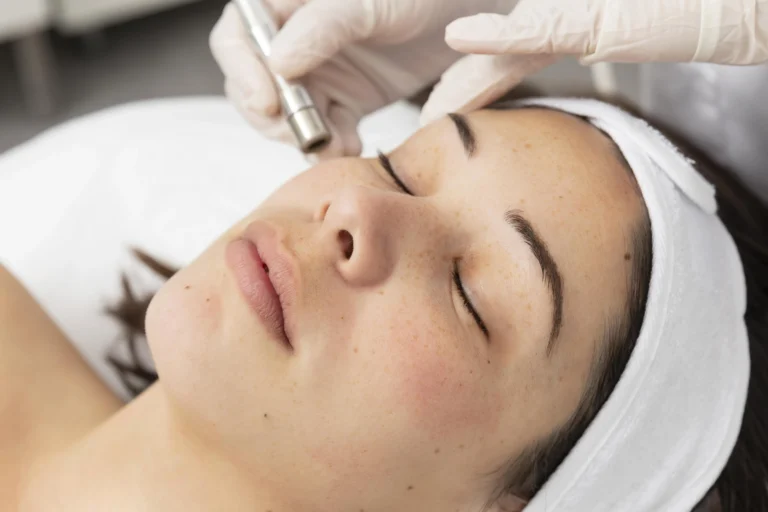
Microneedling is a minimally invasive treatment that stimulates collagen and elastin to improve skin texture, tone and overall appearance, with gradual improvement. At MD Esthetics, radiofrequency (RF) may be added for patients who want additional tightening and rejuvenation. Learn more about our microneedling treatments.
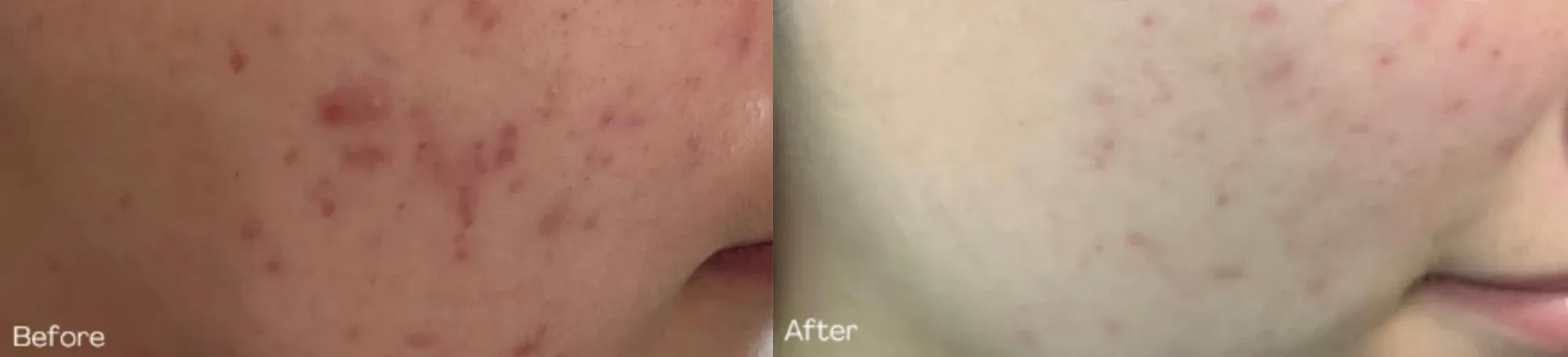
Before and after microneedling at MD Esthetics. Individual results vary.
Chemical peels use specialized formulations to address aging skin, acne, hyperpigmentation and other common concerns. MD Esthetics offers several chemical peel options, so the peel can be matched to your skin.
| Peel | What it's designed to address |
|---|---|
| VI Peel | Hyperpigmentation, sun damage, fine lines and acne scarring |
| BioRePeel | Gentle exfoliation and collagen stimulation for texture, pores and clarity |
| PerfectDerma Peel | Signs of aging, acne, hyperpigmentation and dull, tired-looking skin |
Which Concerns Each Treatment Targets
The two treatments overlap on fine lines, acne scars and pores, but each has its own strengths. Microneedling leans toward texture and firmness, while peels lean toward tone, clarity and active breakouts. The table below shows which concerns each treatment targets, so you can see where they overlap and where they differ.
| Your concern | Microneedling | Chemical Peel |
|---|---|---|
| Rough or uneven texture | Yes | Yes |
| Fine lines and wrinkles | Yes | Yes |
| Acne scars | Yes | Yes |
| Enlarged pores | Yes | Yes |
| Loss of firmness | Yes, with RF add-on for extra tightening | Not a primary focus |
| Uneven tone or hyperpigmentation | Improves overall tone | Yes, a core focus |
| Breakouts and active acne | Not a primary focus | Yes, helps reduce breakouts |
| Stretch marks or body scars | Yes, on body areas | Not a primary focus |
Good to know: Overlap doesn't mean they're interchangeable. A consultation with an MD Esthetics provider can determine which treatment fits your skin and goals, whether that is one of the two or a planned sequence of both.
Downtime and Recovery Side by Side
Recovery is often the deciding factor, and the two treatments follow different timelines. Microneedling settles within a few days, while peel recovery depends on depth. Peeling typically starts around day 2 to 4, and full healing takes 7 to 14 days for deeper peels, while light peels involve little to no downtime.
| Recovery detail | Microneedling | Chemical Peel |
|---|---|---|
| Right after treatment | Mild redness and swelling | Red, tight and warm skin |
| Peeling | Possible micro scabs at entry points | Typically begins 2 to 4 days after treatment |
| Makeup | Usually after 24 hours | Avoid for the first 24 to 48 hours |
| Active skincare | Avoid AHAs, retinols and exfoliants for 4 days | Avoid retinoids, acids and actives for 7 to 10 days |
| Sun protection | Minimize sun exposure; sunscreen after 24 hours | Avoid sun while healing, then daily mineral SPF 30 or higher |
Before any peel, you'll also prepare your skin in the weeks leading up to treatment. Our chemical peel post-treatment instructions cover both preparation and aftercare.
How Laser Skin Resurfacing Compares
Laser skin resurfacing is a third option for texture and tone. It is a non-surgical treatment that uses advanced technology to gently exfoliate the skin and stimulate collagen production. MD Esthetics offers it to improve skin tone and texture, reduce fine lines and wrinkles, and minimize acne scars and sun damage.
The biggest difference from microneedling is recovery, which depends on the laser. CO2 resurfacing involves more downtime, Pico Fractional has minimal downtime, and Moxi recovery is typically shorter than more aggressive treatments. Because recovery varies by device, your MD Esthetics provider can guide the choice of laser based on your goals and how much downtime fits your schedule. Learn more about our skin resurfacing options.
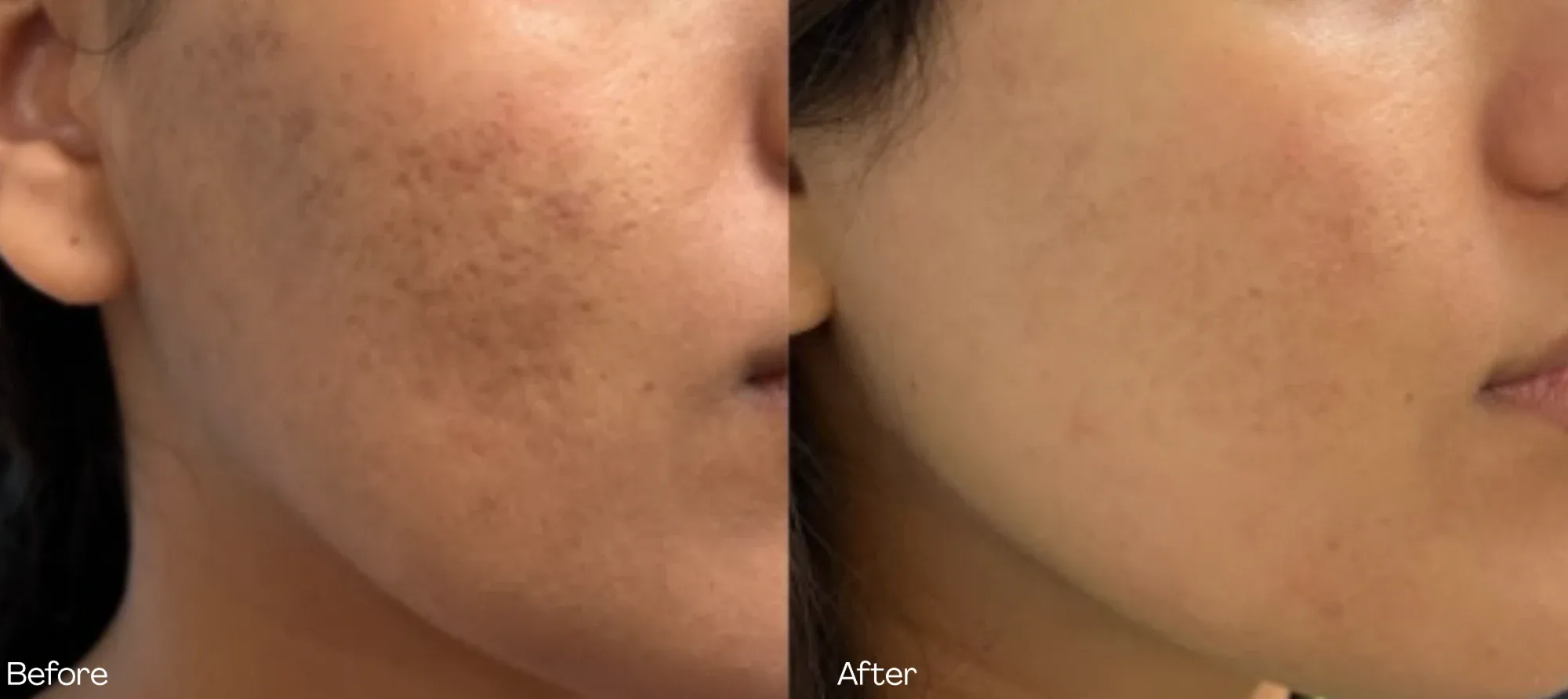
Before and after CO2 laser skin resurfacing at MD Esthetics. Individual results vary.
Treating Acne Scars, Texture and Tone at MD Esthetics
If acne scars or uneven tone are your main concern, there is more than one path. The practice’s acne management and prevention services include chemical peels and laser skin resurfacing, which can help fade post-acne marks. Microneedling is a separate service that can also help reduce acne scars. A consultation with MD Esthetics can determine whether scars, active breakouts or both should guide your plan.
Not sure which treatment fits your skin? Book a skin consultation at your nearest MD Esthetics location.
Is microneedling or a chemical peel better for acne scars?
Both can help. Microneedling is one option for reducing acne scars, and chemical peels such as the VI Peel are also used to address acne scarring. Because the right choice depends on your skin and goals, it helps to talk through your scars with your MD Esthetics provider before deciding on an approach.
Is microneedling or a chemical peel better for hyperpigmentation?
For hyperpigmentation, chemical peels are one option, and the VI Peel in particular helps reduce hyperpigmentation and sun damage. Microneedling can help improve overall skin tone and texture. During a consultation, your MD Esthetics provider can confirm which approach fits your skin.
Can I get microneedling and a chemical peel together?
Not on the same schedule without a plan. The practice’s chemical peel pre-treatment instructions advise avoiding microneedling, laser and IPL treatments for 2 weeks before a peel, so the two treatments need to be spaced out. If both fit your goals, your MD Esthetics provider can map out the timing for you.
How long do microneedling results last?
Results develop gradually over several weeks as collagen builds, and improvements typically last 6 to 12 months. A series of sessions is often recommended for optimal, longer-lasting results, and your MD Esthetics provider can explain during your consultation how many fit your plan.
How long do chemical peel results last?
Results vary by peel type and individual skin conditions. Improvements can generally last from several months to a year, and maintenance treatments are recommended to sustain them. Your MD Esthetics provider can help match a peel to your skin and recommend a maintenance schedule that fits your goals.
Is microneedling safe for all skin types?
Microneedling is suitable for a wide range of skin types and tones, and your MD Esthetics provider will assess whether it suits your skin. For chemical peels, that same provider selects the peel type based on your skin and goals, and our post-care guidance says peels are not safe on tanned or sunburned skin.
What is the difference between microneedling and laser skin resurfacing?
Both support collagen production, but they differ in recovery. Microneedling recovery is brief, while laser skin resurfacing recovery depends on the laser used, with CO2 involving more downtime than Pico Fractional. An MD Esthetics provider can explain which option fits your skin and your schedule.
New to MD Esthetics?
Book A Consultation!
Our medical esthetics experts are here to answer your questions and assist you in scheduling a consultation!
Written by
Our editorial team turns the questions patients ask in consultation into plain-language guides, then checks every claim against manufacturer labeling and current clinical practice.
This article is general education, not medical advice. Treatment plans, candidacy and results are individual: always speak with a licensed provider about your own care. Published October 23, 2026.
Keep reading
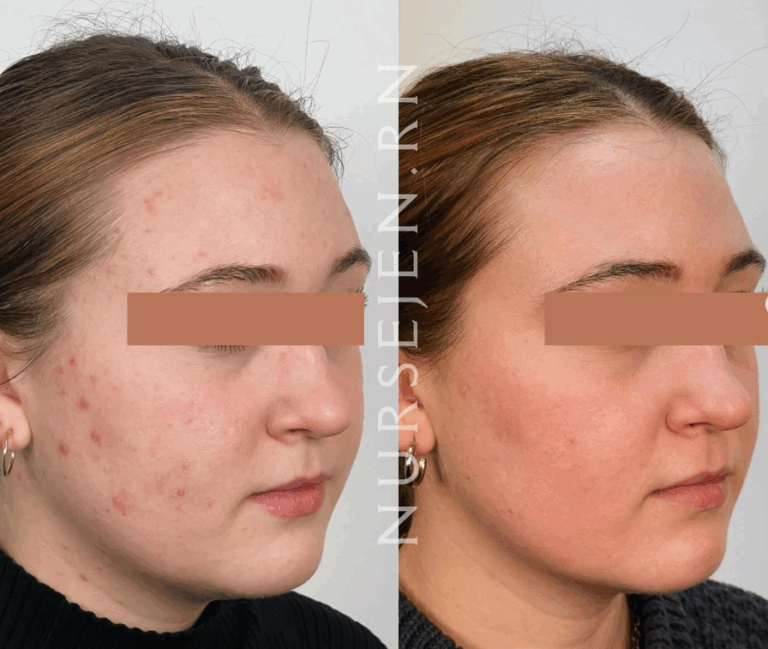
Microneedling Near Me — Why Peabody Residents Choose MD Esthetics
If you have been searching for microneedling near you and want results you can trust, MD Esthetics in Peabody, MA is the answer. As...
Microneedling in Pittsfield, MA: What It Treats and Recovery Time
If you are focused on skin texture, fine lines, or the look of certain scars, you may be researching microneedling in Pittsfield. It is...

Emsculpt Neo vs CoolSculpting: Which One Fits Your Goals?
Here is our position up front. MD Esthetics offers both Emsculpt Neo and CoolSculpting across our clinics, so we have no reason to push...