
Filler Migration: Why It Happens and How It Is Fixed
 Written byMD Esthetics Editorial Team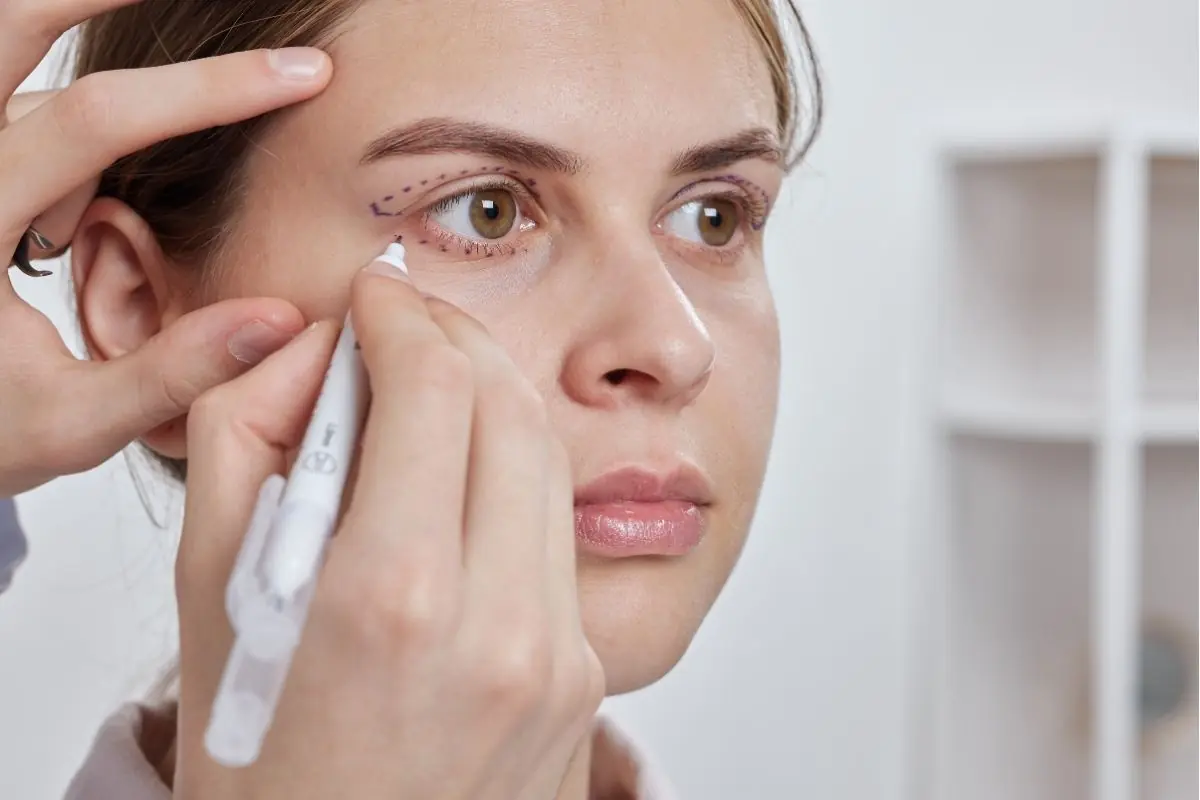
It also gets used loosely. A lot of what patients label as migration is either normal swelling in the first week, or a lip that was simply overfilled, or product placed beyond the border to begin with. Those are different problems with different answers.
What follows is what filler migration is, the mechanisms behind it, what it looks like in the lips and elsewhere, how it is actually corrected, and what genuinely reduces the risk before you book.
summary
Filler migration is when hyaluronic acid filler sits outside the area it was meant to occupy, most visibly as a ridge above the lip border. It is not inevitable. The usual causes are too much volume, placement too superficial, or treating again before previous product has metabolized. Hyaluronidase, given by a provider, is the reliable correction. .
What Filler Migration Actually Is
The framing that helps is this: filler is a gel occupying space in tissue, not a fixed implant. It can move within or beyond its plane if there is more of it than the space holds, if it sits too close to the surface, or if outside pressure pushes it. Well-placed, appropriately dosed filler stays put in the great majority of cases.
It is worth separating filler migration from other things that look similar. Swelling in the first one to two weeks after treatment is normal and frequently mistaken for migration. Firm lumps that appear months later may be nodules or an inflammatory reaction, which is a different problem requiring different management. And a lip that simply received more volume than its anatomy supports is overfilled rather than migrated, even though the visual result overlaps.
Our dermal fillers page covers how our providers approach product selection and placement.
Why Filler Migrates, and Why Some of It Is Not Migration
The overfilling debate
A substantial share of what gets called filler migration is really product that was placed above or across the vermilion border from the start, or volume beyond what the lip can hold, rather than gel that travelled. This distinction matters practically. If the cause is placement and dose, then conservative dosing and accurate placement prevent most of it, which is a more useful conclusion than treating migration as random misfortune.
Other real factors
Product choice contributes, since softer, more spreadable fillers behave differently from firmer ones and are not interchangeable between areas. Pressure and massage in the days after treatment can displace product before it has integrated. Repeated treatment over years, particularly at higher volumes, appears to raise the risk. Muscle movement in an area as mobile as the mouth also plays a role, which is part of why lips are the area patients ask about most.
What Migrated Lip Filler Looks Like
Other signs patients report include the philtrum area looking flattened or filled, a lip that appears to extend upward rather than outward, and the border becoming harder to see in photographs before it becomes obvious in the mirror. Sometimes the earliest reliable sign is that lipstick starts to bleed past the line where it used to hold.
Timing helps distinguish it from ordinary healing. Swelling after lip filler peaks in the first two or three days and largely settles within two weeks. If a ridge is still there a month later, and especially if it has become more noticeable rather than less, that warrants assessment rather than more waiting. Bring photographs from before your treatment if you have them, since comparison is more reliable than memory.
Does Chin and Cheek Filler Migrate Too?
Cheek filler tends to drift downward rather than outward. Product placed in the midface can settle lower over time, and when it approaches the under-eye area it can contribute to puffiness or a shadowed look beneath the eye. That region is also prone to a separate phenomenon, fluid retention in the tissue, which looks similar but is not the filler itself having moved. Distinguishing the two changes the treatment, which is why this area in particular should not be self-diagnosed.
One category-wide point deserves stating. Only hyaluronic acid fillers can be dissolved. Collagen stimulators such as Sculptra and calcium-based products are not hyaluronic acid, so hyaluronidase does not remove them, and correction options are far more limited. If reversibility matters to you, that belongs in the conversation before you choose a product rather than afterward.
Mobile areas near the mouth carry more risk than static ones, and softer products carry more than firmer ones. Neither fact makes those treatments unwise. Both are reasons we are deliberate about product choice and depth when we treat those areas.
How Filler Migration Is Corrected
What the appointment involves
We assess first, because we have to confirm the problem is displaced hyaluronic acid rather than swelling or a nodule. Hyaluronidase carries a risk of allergic reaction, rarely a serious one, and we are equipped and prepared to manage that in the room. Swelling afterward is common and often pronounced for a day or two. More than one session is sometimes needed, and the enzyme can temporarily affect some of your own hyaluronic acid, so lips may look flatter than baseline for a few weeks.
On fixing it without dissolving
There is no reliable way to reposition migrated filler without dissolving it. Massage does not move settled product back where it belongs and can displace it further, and lymphatic drainage addresses fluid rather than gel. The only genuine alternative is time, since hyaluronic acid filler metabolizes eventually, though that can take many months and sometimes considerably longer than the duration you were quoted. Waiting is a legitimate choice if the appearance does not bother you much. It is not a fix.
Hyaluronidase should never be self-administered, and the versions sold online without a prescription should be avoided entirely. Dosing, dilution, and readiness to manage an allergic reaction are the reasons this is a provider procedure, and the consequences of getting it wrong in the face are not minor.
How to Prevent Filler Migration
We build gradually across appointments. Placing a modest amount, letting it settle for two weeks, and reviewing the result together gives a better shape than one large treatment, because we can see how your tissue actually responded before we add anything further. Building this way also keeps us from stacking product into a space that is still occupied.
We decline when the request does not fit the tissue. If your lip will not hold more volume, if your previous filler has not metabolized, or if what you are asking for would push product past the border, we tell you no and we explain the reasoning. Saying no at the consultation is easier on you than correcting a result later, and it is part of the job.
We space treatments around how long your product is realistically likely to last rather than around a calendar habit. A lip that still looks good does not mean the space is empty, so at each visit we tell you what we expect from the product we used and when we want to see you again.
Before we inject, we tell you which product we are using and why it suits that area, how much we are placing and why that amount, what the result should look like once the swelling settles, and what we would not do. We also tell you that only hyaluronic acid filler can be dissolved, so if reversibility matters to you it changes what we recommend.
Aftercare is the part that belongs to you, and it matters most in the first week. Avoid pressure, massage, and manipulation of the treated area, skip strenuous exercise and heat briefly, and be careful with anything that presses on the face including some sleeping positions. Our Botox aftercare tips for maximum results and our pre and post treatment care guide cover the habits that apply across injectables.
The Takeaway
Does filler migrate, and does it always happen?
How likely is lip filler migration?
Does chin filler migrate?
Will 0.5 ml of lip filler migrate?
Can you fix lip filler migration without dissolving it?
How do you prevent lip filler migration?
Do lips go back to normal after fillers?
Concerned About Filler Migration? Get an Assessment
Book a consultation and we will assess your filler in person.
New to MD Esthetics? Book A Consultation!
Written by
Our editorial team turns the questions patients ask in consultation into plain-language guides, then checks every claim against manufacturer labeling and current clinical practice.
This article is general education, not medical advice. Treatment plans, candidacy and results are individual: always speak with a licensed provider about your own care. Published August 7, 2026.
Keep reading

Finding the Best Lip Filler Deals in Chesapeake Without Sacrificing Quality
If you’re searching for lip filler deals near me in Chesapeake, you’re not alone. Lip enhancement is one of the most popular aesthetic treatments...

What Is Kybella Treatment? How Chin Injections Dissolve Fat
The swelling is the part nobody warns you about. Kybella treatment does work, and it works lastingly on the fat cells it reaches, but...

What Is Sculptra Treatment? How It Works, Results Timeline, and Aftercare
Most people who look into Sculptra treatment are surprised by the same thing: almost nothing happens on day one. You leave the appointment looking...